
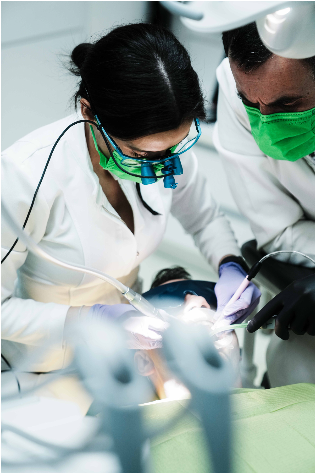
A biological, minimally invasive, and personalized approach
Periodontal disease, also commonly known as periodontitisă, it is one of the most common chronic inflammatory conditions and represents the primary cause of tooth loss in adults. It affects the gums, periodontal ligament, and alveolar bone – the structures that support the teeth. Without adequate treatment, inflammation and infection lead to progressive destruction of these tissues, resulting in tooth mobility and, ultimately, tooth loss.
Today we know that periodontal disease is not just a simple bacterial infection. It represents the result of a complex interaction between bacterial biofilm and the body's immune response. Bacteria initiate the inflammatory process, but tissue destruction is also influenced by how the body reacts to this aggression. For this reason, modern treatment aims not only to reduce the bacterial load but also to control inflammation and create a favorable biological environment for healing.
In recent decades, periodontology has evolved considerably. While in the past the emphasis was almost exclusively on the mechanical removal of affected tissues and, in advanced cases, on extensive surgical interventions, today modern technologies allow for a more precise, conservative, and better adapted approach to tissue biology.
One of the most modern therapeutic strategies is multispectral periodontal treatment, which additionally uses multiple laser wavelengths, each with a well-defined role in infection control, inflammation reduction, and support of natural healing processes.
What does multiwavelength periodontal treatment mean?
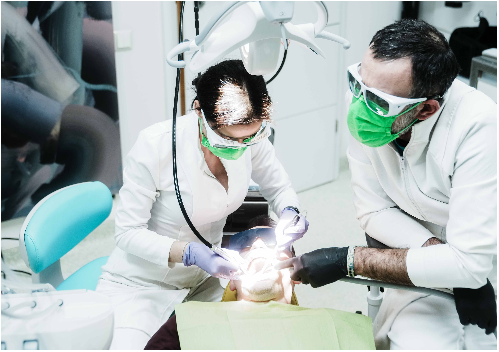
The concept multiwavelength it doesn't mean using a single laser for all procedures, but choosing the right wavelength for each stage of the treatment.
Each wavelength interacts differently with water, hemoglobin, hydroxyapatite, and bacterial pigments. For this reason, each offers specific advantages and has different indications.
In a modern protocol, the following can be used in a complementary manner:
- Erbium lasers – Er:YAG (2940 nm) șEr,Cr:YSGG (2780 nm);
- diode laseră (810–980 nm);
- Photobiomodulation – PBM.
Technology | Țmain roomă | Clinical trial | Biological effect |
Er:YAG (2940 nm) Er,Cr:YSGG (2780 nm) | Water and Hydroxyapatite | Debridement, Removal of biofilm, tartar, and infected tissue | Tissue preservation and preparation of an environment conducive to healing. Minimal thermal damage and preservation of healthy tissues |
Laser diodeă (810–980 nm | Hemoglobin and bacterial pigments | Bacterial decontamination and biostimulation | Reducing bacterial load and controlling inflammation |
Photobiomodulation (PBM) | Mitochondria (cytochrome c oxidase) | Support for healing | Increased ATP production, stimulation of cellular metabolism, and accelerated tissue regeneration |
These technologies do not compete with each other. On the contrary, they complement each other, each contributing to a different stage of treatment.
The role of each wavelength
Erbium lasers – Er:YAG și Er,Cr:YSGG
Lasers in the family erbium, respectively Er:YAG (2940 nm) and Er,Cr:YSGG (2780 nm), it occupies an important place in modern periodontics due to the way it interacts with tissues.
Their energy is intensely absorbed by water and hydroxyapatite, allowing for the selective removal of bacterial biofilm, subgingival calculus, and infected granulation tissue, with minimal thermal impact on healthy structures.
Although the two wavelengths have similar clinical indications, they present different physical particularities regarding energy absorption and the way they interact with tissues. The choice of one over the other depends on the clinician's experience, the type of equipment used, and the chosen therapeutic protocol.
Their goal is the same: to remove the affected tissue while preserving as much of the healthy structures as possible.
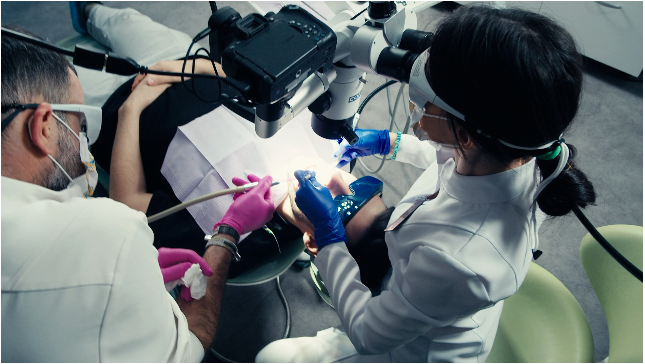
Diode laser
The diode laser completes the protocol through a different mechanism than erbium lasers. Due to light penetration into the tissue and selective absorption in hemoglobin and bacterial pigments, it contributes to reducing the bacterial load, including in areas that are difficult to reach with mechanical instruments. Additionally, through photobiomodulation, it stimulates mitochondrial activity, increases ATP production, and enhances the biological processes involved in tissue healing and regeneration.
Using erbium lasers and diode lasers complementarily results in a more complex therapeutic protocol than using a single wavelength.
Why is a simple dental cleaning not always enough?
Scaling is the foundation of periodontal treatment and remains recommended by all international guidelines.
However, the anatomy of tooth roots is extremely complex. Root concavities, furcations, and other anatomical peculiarities can limit the access of mechanical instruments and can allow the persistence of bacterial biofilm in certain areas.
In modern practice, the integration of laser technologies allows for the approach of periodontal disease through minimally invasive protocols, focused on biofilm control, tissue preservation, and optimization of biological healing processes.
The target of the treatment is not tartar, but bacterial biofilm
For a long time, it was considered that the main objective of periodontal treatment was the removal of tartar.
Today we know that the true factor responsible for the initiation and maintenance of periodontal disease is bacterial biofilm.
Biofilm is a complex community of microorganisms organized in a protective matrix, adhering to the tooth and root surface. This organization grants bacteria much greater resistance than when they are isolated.
Tartar is not the direct cause of the disease, but rather provides a surface favorable for plaque retention and hinders effective hygiene.
For this reason, modern treatment aims to control bacterial biofilm and reduce microbial load, with maximum preservation of healthy tissues.
Conventional Treatment Versus Multi-wavelength Laser Approach
Convenient periodontal treatmentțional | Periodontal therapyă multiwavelength |
Mechanical instrumentation | Mechanical instrumentation + complementary lasers |
Surgical gown in certain cases | Minimally invasive approach in numerous clinical situations |
Mechanical removal of tissues | Îndepăselective recyclingă of the biofilm și ținfected tissues, preserving the structuresănătoes |
Greater tissue trauma | Reduced trauma and maximum tissue preservation |
Increased postoperative discomfort | Restore comfort and support biological healing processes |
The goal of periodontal treatment is to eliminate infection and stop disease progression. The difference between conventional treatments and the modern multiwavelength approach lies not in the therapeutic objective, but in how it is achieved.
In conventional treatments, access to deep root surfaces may, in certain clinical situations, require the creation of a surgical flap. This procedure involves the temporary detachment of the gingiva and periosteum from the alveolar bone surface to allow direct visualization and instrumentation of the roots.
However, periosteal detachment temporarily reduces the vascular supply from this structure to the superficial bone cortex. In certain situations, this can promote postoperative bone resorption, gingival recession, and a prolonged recovery period.
Modern protocols based on Er:YAG (2940 nm), Er,Cr:YSGG (2780 nm) and diode laseră in numerous cases, the effective treatment of periodontal pockets through a minimally invasive approach, without the need for surgical flap elevation.
Erbium lasers enable the removal of bacterial biofilm, subgingival calculus, and infected granulation tissue, while the diode laser complements the treatment by bacterial decontamination and stimulating biological healing processes.
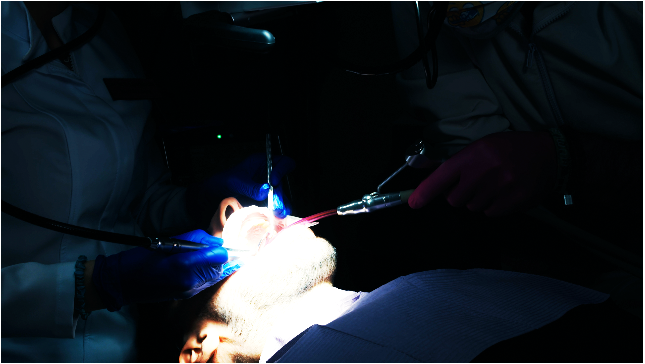
Tissue preservation – one of the principles of modern periodontology
Modern periodontology aims not only to eliminate infection but also to preserve healthy anatomical structures to the maximum extent possible.
In the past, treatment success was often associated with the extensive removal of tissues considered affected. Today, we know that every millimeter of preserved gum, periodontal ligament, and alveolar bone can positively influence tooth stability and long-term prognosis.
This is one of the reasons why minimally invasive treatments have become an important direction in modern dentistry.
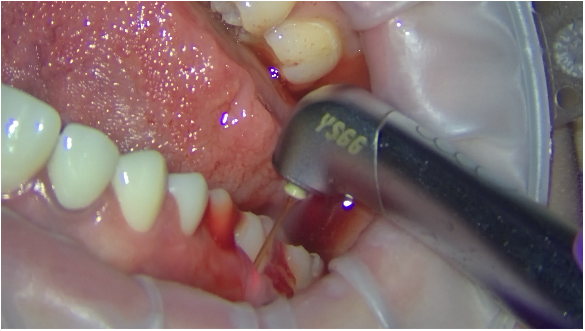
Due to high absorption in water, lasers Er:YAG and Er,Cr:YSGG allows for very precise ablation, with reduced thermal damage to surrounding tissues and respect for the biological principles of healing.
The goal is not to remove as much tissue as possible, but to selectively eliminate infected structures and preserve healthy ones.
Less inflammation, more biology
The success of periodontal treatment doesn't just mean reducing the number of bacteria.
Chronic inflammation is one of the main factors involved in the destruction of the periodontal ligament and alveolar bone.
For this reason, modern treatment simultaneously pursues multiple objectives:
- reduction of bacterial biofilm;
- inflammation control;
- reduction of microbial load;
- stimulating natural healing mechanisms;
- long-term stabilization of periodontal tissues.
By complementary use of erbium lasers, diode laser, and photobiomodulation, multiwavelength therapy aims not only to control infection, but also to support the body's biological response.
The benefits of multi-wavelength periodontal treatment
When the clinical indication is correctly established and the protocol is adapted to each patient, multiwavelength treatments can offer numerous benefits:
- minimally invasive approach;
- maximum preservation of healthy tissues;
- reducing gum inflammation;
- reduced bleeding on catheterization;
- efficient decontamination of periodontal pockets;
- Increased postoperative comfort;
- faster recovery;
- stabilization of periodontal attachment;
- stimulation of natural healing processes;
- the possibility of reducing the use of systemic antibiotics in certain clinical situations, when the diagnosis and therapeutic guidelines allow it.
These benefits are not generated by the mere existence of a laser device, but by the correct choice of wavelength, the clinician's experience, and its integration into a complete therapeutic protocol.
The role of photobiomodulation
Photobiomodulation (PBM) represents one of the most interesting applications of lasers in modern medicine. Light is absorbed by cytochrome c oxidase in the mitochondria, which stimulates the cellular respiratory chain and increases the production of ATP (adenosine triphosphate), the main source of energy for the cell. Increased ATP availability allows fibroblasts, osteoblasts, and other cells involved in healing to carry out their activities more efficiently.
Unlike lasers used for ablation, photobiomodulation uses low energies that do not remove tissue but stimulate cellular activity.
Numerous studies have shown that photobiomodulation can help reduce inflammation, decrease postoperative pain, and accelerate the body's natural tissue repair processes.
In periodontal treatment, this complements mechanical therapy and laser decontamination, contributing to the creation of a favorable biological environment for healing.
Biologic adhesives – a new direction in periodontal treatment
In addition to infection control and stimulating natural healing processes, treatment can be supplemented by the use of biological adhesives (biological tissue adhesives). These materials form a protective film on the treated tissues, contributing to wound stabilization, protection of the treated surface, and the creation of a favorable microclimate for healing.
Associated with laser decontamination and bacterial biofilm control, bioadhesives can contribute to tissue stabilization and optimizing the biological conditions necessary for healing.
Restoring Microbiological Balance – The Role of Oral Probiotics
An increasingly important aspect in modern periodontology is the restoration of the oral cavity's microbiological balance after active treatment.
The objective of therapy is not the complete sterilization of the oral cavity, which is impossible and, moreover, undesirable, but rather the reduction of pathogenic bacteria and the promotion of a balanced oral microbiome.
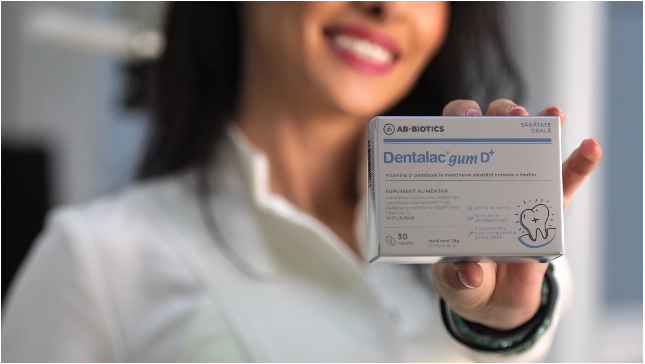
In certain clinical situations, treatment can be supplemented with Oral probiotics, which can contribute to restoring microbiological balance and reducing recolonization by pathogenic bacteria.
In my practice, when the clinical indication justifies it, I frequently recommend Dentalac® as part of an integrated therapeutic approach. Used in conjunction with mechanical treatment, laser therapy, and rigorous oral hygiene, it can contribute to maintaining gum health and the stability of long-term results.
The same principles in treating peri-implantitis
The principles of multiwavelength therapy are not limited to the treatment of periodontal disease. They are also used in the management of peri-implantitis, one of the most difficult biological complications associated with dental implants.
Peri-implantitis is an inflammation of the tissues around the implant, associated with progressive loss of supporting bone. Unlike natural teeth, the surface of implants has particularities that make mechanical decontamination much more difficult.
In certain clinical situations, the complementary use of Erbium lasers (Er:YAG și Er,Cr:YSGG may contribute to implant surface decontamination, bacterial load reduction, and inflammation control.
Just as in periodontal disease, treatment success depends on the correct diagnosis, the selection of the therapeutic protocol, and careful long-term patient monitoring.
Precision and personalization of treatment
One of the most important principles of modern dentistry is personalized treatment.
There are no two identical cases, and therefore, there is no universal protocol that can be applied to all patients.
The degree of inflammation, root anatomy, depth of periodontal pockets, presence of bone defects, general health status, smoking, diabetes mellitus, oral hygiene, and patient compliance influence the treatment choice.
In the same way, the use of lasers requires permanent adaptation of therapeutic parameters.
The power, energy, frequency, pulse duration, exposure time, and operator technique must be individualized for each patient and for each stage of treatment.
In modern laser dentistry, does not există rețuniversal solvent.
There are only customized treatments, based on diagnosis, clinical experience, and understanding of how each wavelength interacts with tissues.
Technology does not replace the doctor's experience
One of the most common misconceptions is that results are determined exclusively by the equipment used.
In reality, two offices can use the exact same equipment and wavelengths, and the results can be completely different.
The difference is given by the clinician's experience, understanding of tissue biology and laser physics, as well as the choice of the appropriate therapeutic protocol for each case.
In laser dentistry, the device is just the instrument.
The final result is influenced by how it is used.
Modern periodontology means the integration of technologies
Today, the success of periodontal treatment no longer depends on a single technology.
Modern periodontology involves the smart integration of several complementary methods, each with a well-defined role in diagnosis, treatment, and monitoring.
Depending on the particularities of each case, the therapeutic plan may include:
- digital assessment of periodontal pockets and monitoring their progression over time;
- digital radiology and CBCT when indicated;
- biofilm control through minimally invasive mechanical therapies;
- complementary use of Er:YAG lasers (2940 nm) and Er,Cr:YSGG (2780 nm) for debridement and treatment of hard and soft tissues;
- diode laseră, for bacterial decontamination and soft tissue surgery;
- photobiomodulation, to stimulate the body's natural healing processes;
- and, in selected cases, supporting the oral microbiome with probiotics, such as Dentalac®, integrated into a personalized therapeutic protocol.
The goal is not to use as many technologies as possible, but to choose those that can bring real benefits to each patient.
Lasers don't create bone – the body heals itself
One of the most common misconceptions is that the laser „regenerates bone” or „grows new bone.”.
In reality, no laser can produce bone, nor can it replace the body's natural regenerative capacity.
The role of laser technology is entirely different.
By reducing the bacterial load, controlling inflammation, selectively removing infected tissues, and preserving healthy structures, the treatment creates a favorable biological medium for healingării.
When the infection is controlled and the tissues have the necessary conditions for repair, the body can activate its own healing and regeneration mechanisms. However, the capacity for regeneration depends on numerous factors, such as the severity of the disease, the amount of remaining bone, the anatomy of the periodontal defect, the patient's overall health, bacterial plaque control, and adherence to the monitoring schedule.
In other words, the laser does not determineă regeneration țof tissues, but it createsă conditionțóptimuma biologicalii per quae hæcceă postă I have a place thereâand situationțIA Clinică allows it.
This difference is essential and represents one of the fundamental principles of modern periodontology: we don't force the body to heal, but we eliminate the factors that hinder healing and provide it with the necessary conditions to activate its own biological potential.
Conclusion
Modern periodontology does not mean choosing between a scalpel and a laser, nor using a single wavelength.
It means understanding the biology of the disease and choosing the right tool for each stage of treatment.
When Er:YAG (2940 nm), Er,Cr:YSGG (2780 nm), diode laseră and photobiomodulation are integrated into a well-established treatment protocol; the goal is no longer simply to remove bacterial biofilm.
The goal becomes controlling inflammation, maximally preserving healthy tissues, and creating the biological conditions necessary for healing and long-term maintenance of natural teeth.
Ultimately, the most important technology is not necessarily the newest, but the one used correctly, at the right time, and for the right indication.
In modern periodontology, technology opens new therapeutic possibilities, but the results are determined by how it is integrated into a correct and personalized biological protocol.
Programă or consultationțI.e. șand discoveră How modern laser technologies can transform dental treatments!
📍 Innovation Medical Center
Bucharest
📞 0753 666 111
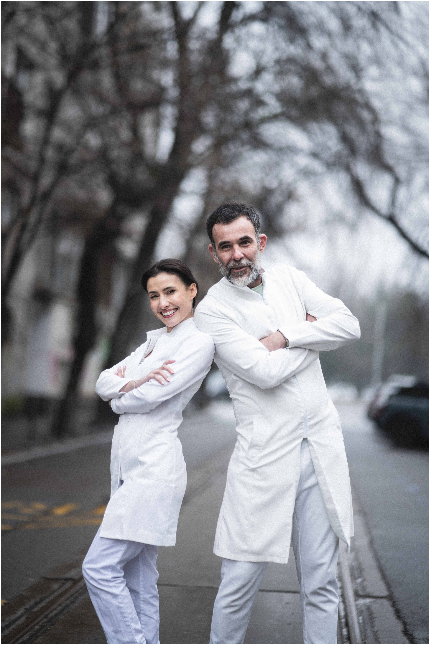
Authori:
Dr. Nur Saadeddin– Medical dentist within Innovation Medical Center, Co-Founder of Cluj Smile Society, Laser Dentistry Expert, Master of Science – Laser therapy in dentistry (AALZ Aachen & Sigmund Freud University Vienna), Laser Safety Officer (LSO) – AALZ Aachen, trainer in laser therapies, with dedicated activity in prosthetics, periodontology, minimally invasive approaches, and digital dentistry.
Dr. Thomas Mendel– Medical Director and Dentist at Innovation Medical Center, Co-founder Cluj Smile Society, Laser Dentistry Expert, Master of Science – Laser therapy in dentistry (AALZ Aachen & Sigmund Freud University Vienna), Laser Safety Officer (LSO) – AALZ Aachen, trainer in laser dentistry, with dedicated activity in endodontics, periodontics, minimally invasive approaches, and digital dentistry.




















 Romanian
  English